










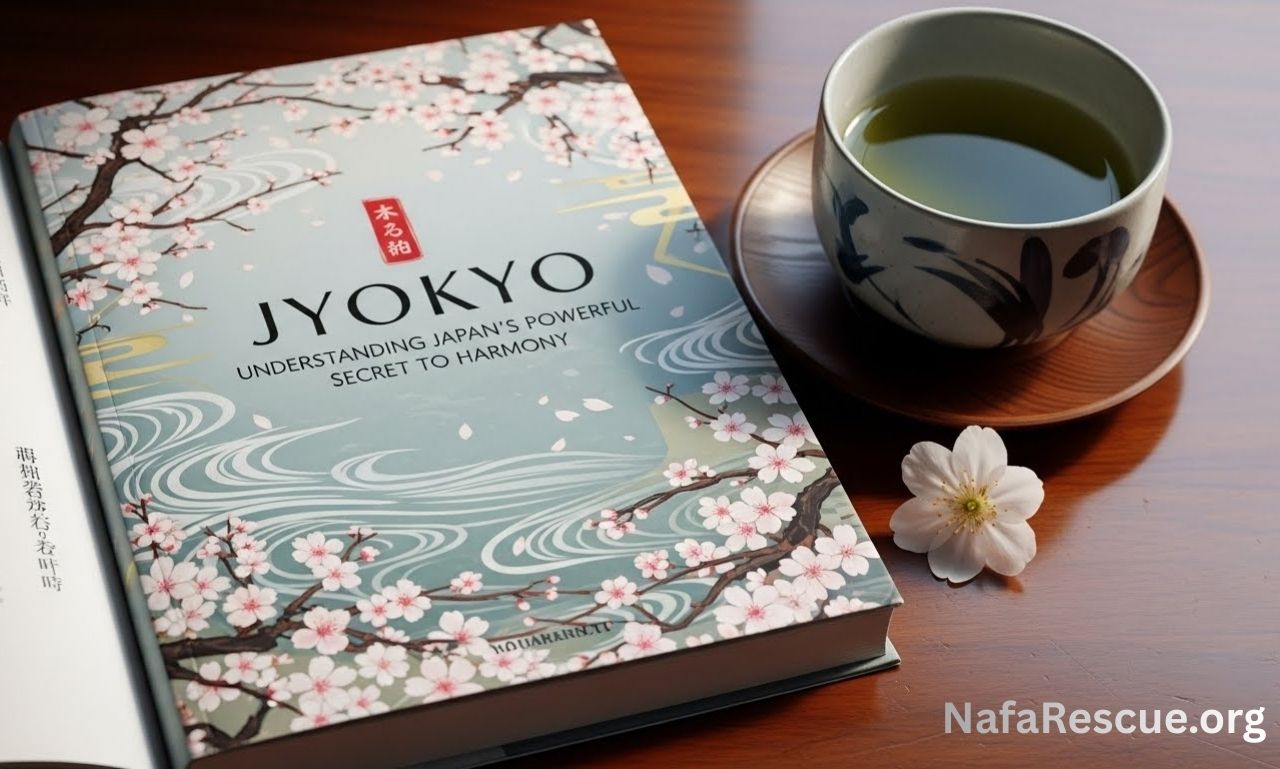
Introduction to Jyokyo
Imagine a world where peace and balance reign. A place where the hustle and bustle of daily life fades into a gentle rhythm, guiding you toward harmony. This enchanting concept is not just a dream; it’s called Jyokyo—a powerful secret from Japan that invites us to embrace tranquility in our chaotic lives.
In today’s fast-paced society, finding inner calm can seem impossible. Yet, Jyokyo offers profound insights on achieving this elusive state of being. Rooted in rich history and culture, it serves as both philosophy and practice for those seeking serenity amidst the noise.
Curious about what makes Jyokyo so special? Let’s embark on a journey to explore its essence, uncover its principles, and discover how you can weave this extraordinary wisdom into your everyday routine.
What Is Jyokyo
Jyokyo is a concept deeply rooted in Japanese culture. It embodies the pursuit of harmony and balance in life. This philosophy transcends mere ideology; it influences daily interactions, environments, and even artistic expressions.
At its core, Jyokyo encourages individuals to foster connections with others while prioritizing inner peace. It emphasizes mindfulness and awareness as vital tools for achieving equilibrium.
Practicing Jyokyo means recognizing the interconnectedness of all things. It invites us to appreciate nature’s beauty while embracing our unique roles within society. The essence of Jyokyo lies in cultivating both personal well-being and collective harmony.
This principle serves as a guiding light for those seeking fulfillment beyond material pursuits. By adopting its teachings, one can navigate life’s complexities with grace and tranquility.
History and Origins of Jyokyo
The roots of Jyokyo can be traced back to ancient Japan, where the concept emerged from a blend of Shinto and Buddhist philosophies. These spiritual traditions emphasized balance with nature and harmony within communities.
As society evolved, so did the principles behind Jyokyo. It became a guiding force during periods of turmoil, fostering resilience among people striving for peace. Historical texts reveal that monks played a significant role in promoting these ideals through teachings and rituals.
Over centuries, Jyokyo adapted to cultural shifts while maintaining its core focus on harmony. This adaptability allowed it to resonate across various aspects of Japanese life—from art and literature to social interactions.
Today, understanding its origins helps illuminate why Jyokyo remains relevant in modern times. The interplay between history and philosophy continues to shape how individuals seek connection both with themselves and their surroundings.
The Core Principles of Jyokyo
At the heart of Jyokyo lies harmony. This principle emphasizes balance within oneself and with the environment. It’s about creating a peaceful coexistence that nurtures well-being.
Another core tenet is mindfulness. Practitioners learn to be present in every moment, fostering awareness of thoughts, feelings, and surroundings. This leads to deeper connections with others.
Simplicity also plays a crucial role in Jyokyo. It encourages individuals to strip away excess distractions and focus on what truly matters—relationships, experiences, and personal growth.
Community interconnection is essential. Jyokyo promotes cooperation among individuals for mutual benefit. It highlights the importance of supporting one another while working towards collective goals.
These principles form the foundation of Jyokyo’s philosophy, guiding followers toward a life steeped in serenity and fulfillment.
Practical Applications of Jyokyo in Daily Life
Embracing Jyokyo in daily life starts with mindfulness. Taking a moment to breathe deeply can center your thoughts and emotions. This simple practice fosters clarity amid chaos.
In relationships, applying Jyokyo means active listening. Give your full attention when someone speaks. Acknowledging their feelings creates a harmonious connection.
Work environments benefit too. Implementing Jyokyo encourages collaboration over competition. Sharing ideas openly nurtures creativity and trust among colleagues.
Even in personal routines, incorporating Jyokyo is transformative. Set aside time for reflection each day—be it through journaling or meditation—and observe how this enhances emotional well-being.
Nature walks also resonate with the essence of Jyokyo; they promote tranquility and rejuvenation. Engaging with the natural world enriches your spirit and inspires balance in everyday activities.
By weaving these practices into various facets of life, you cultivate an atmosphere where harmony thrives naturally.
Benefits of Practicing Jyokyo
Practicing Jyokyo offers a myriad of benefits that enhance both mental and emotional well-being. It cultivates inner peace, allowing individuals to navigate life’s challenges with grace and resilience.
By fostering mindfulness, Jyokyo encourages self-awareness. This heightened awareness can lead to better decision-making and improved relationships with others.
Additionally, the principles of harmony found in Jyokyo promote a sense of community. As people embrace this practice, they often find themselves more connected to their surroundings and those around them.
Physically, engaging in Jyokyo can reduce stress levels significantly. Lower stress translates into better health outcomes, including improved sleep quality and increased energy levels.
Practicing Jyokyo paves the way for a balanced lifestyle filled with tranquility and connection. Each small step taken toward integrating its teachings can yield profound transformations over time.
Misconceptions About Jyokyo
Jyokyo often gets misinterpreted, leading to several misconceptions. Some believe it is solely a religious practice or tied exclusively to spirituality. In reality, Jyokyo transcends these boundaries and can be applied in various secular contexts.
Another common myth is that practicing Jyokyo requires extensive training or expertise. While there are advanced teachings, anyone can start incorporating its principles into daily life without prior knowledge.
People may also think that Jyokyo promotes passivity or complacency. On the contrary, it encourages active engagement with oneself and the surrounding environment for balance and harmony.
Many assume it’s only relevant within Japanese culture. However, the core ideas of Jyokyo resonate universally and can enrich lives across diverse backgrounds. Embracing its concepts opens doors to understanding both oneself and others better.
How to Incorporate Jyokyo into Your Own Life
To bring Jyokyo into your life, begin with mindfulness. Set aside a few moments each day to sit quietly and observe your thoughts. This practice helps cultivate inner peace.
Next, embrace simplicity in your surroundings. Declutter spaces that feel overwhelming. A tidy environment often leads to a clearer mind.
Engage with nature regularly. Take walks in parks or gardens; allow the beauty of the natural world to soothe you.
Practice gratitude daily by noting three things you’re thankful for each morning or evening. This simple act fosters harmony within yourself and strengthens connections with others.
Incorporate small acts of kindness into your routine—whether it’s helping someone carry groceries or offering compliments. These gestures promote positivity and reflect the essence of Jyokyo in everyday interactions.
Conclusion
Jyokyo embodies a unique and powerful approach to achieving harmony in daily life. By understanding its origins and core principles, you can tap into this ancient wisdom that has been cherished for centuries in Japan. The practical applications of Jyokyo allow individuals to create balance amidst the chaos of modern living.
Adopting Jyokyo provides numerous benefits, from improved mental clarity to more meaningful relationships. While there are misconceptions surrounding it, the essence remains rooted in mindfulness and appreciation for simplicity.
Incorporating Jyokyo into your life doesn’t require drastic changes; small adjustments can lead to profound transformations. Whether through meditation, connection with nature, or fostering compassion towards others, embracing this philosophy cultivates inner peace.
As you explore the concept of Jyokyo further, remember that it’s not just a practice but a way of being. It invites everyone to engage more deeply with their surroundings and find joy in everyday moments. As you embark on this journey toward harmony, may you discover all that Jyokyo has to offer along the way.