








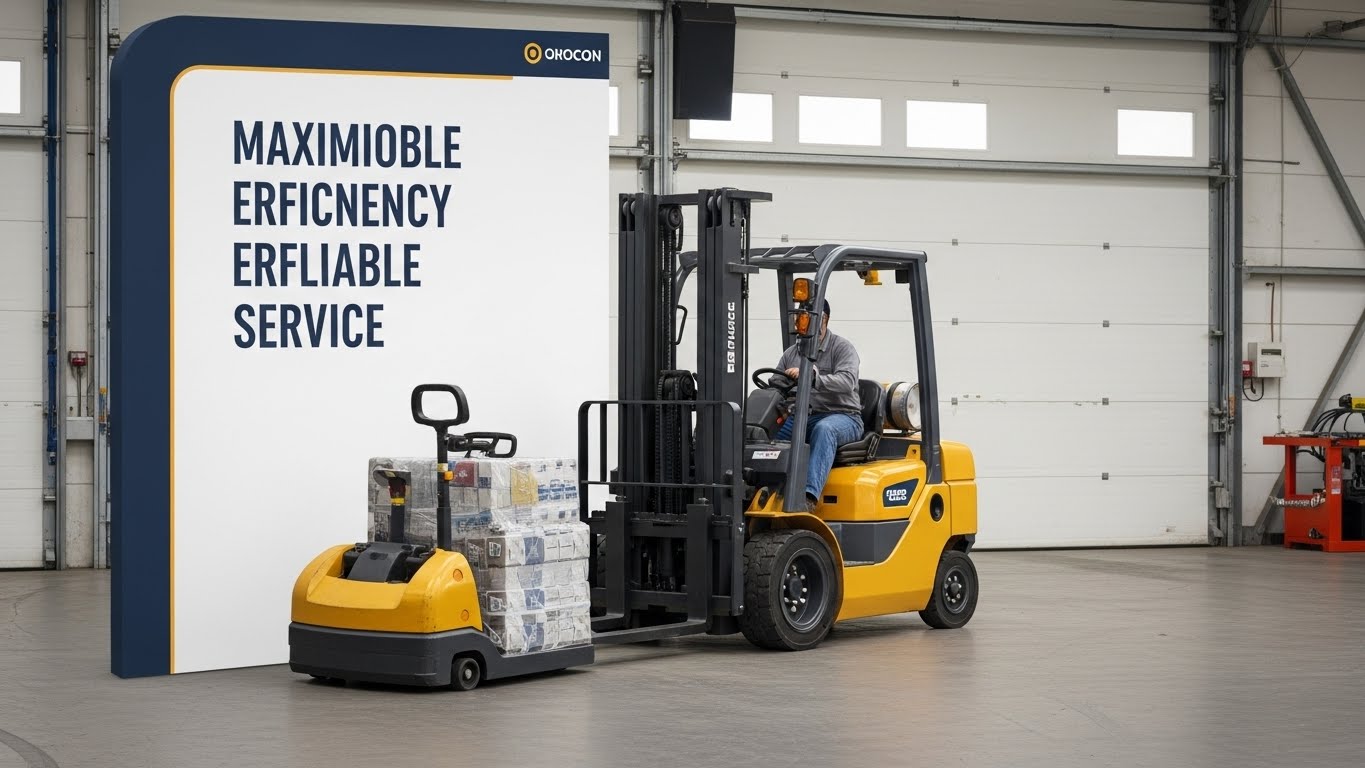
Forklift service plays a vital role in maintaining productivity, safety, and cost efficiency in modern industrial, warehouse, and logistics operations. Forklifts are indispensable in moving heavy materials, managing inventory, and supporting workflow in manufacturing and distribution facilities. However, without proper service, these essential machines can suffer from breakdowns, reduced efficiency, and safety hazards. A structured forklift service program ensures equipment operates optimally, preventing downtime, protecting employees, and reducing long-term maintenance costs.
Investing in forklift service is not only a preventive measure but also a strategic decision that enhances overall operational efficiency. Industrial environments are highly dynamic, and even minor equipment failures can result in production delays, damaged goods, or compromised safety. By prioritizing maintenance and service, businesses ensure that their forklifts remain reliable, safe, and cost-effective over their entire lifecycle.
Understanding the Importance of Forklift Service
Forklifts operate under demanding conditions, lifting heavy loads, navigating tight spaces, and functioning continuously for extended periods. Wear and tear, improper usage, and delayed maintenance can negatively affect performance and compromise workplace safety. Regular forklift service includes inspections, preventive maintenance, and timely repairs, identifying potential issues before they escalate into major problems.
Routine service ensures forklifts maintain operational efficiency, comply with safety regulations, and reduce the likelihood of costly breakdowns. Companies that implement a consistent forklift service schedule also benefit from reduced repair costs, fewer workplace accidents, and extended equipment longevity.
Key Components of Forklift Service
A comprehensive forklift service program covers a wide range of tasks, each designed to maintain safety, efficiency, and reliability. The core components include:
Preventive Maintenance
Preventive maintenance is a proactive approach that involves scheduled inspections and servicing. Typical checks include hydraulic systems, lift mechanisms, brakes, steering, tires, fluid levels, and battery health. By identifying wear and potential issues early, preventive maintenance reduces the risk of unexpected failures, improving equipment reliability and workflow efficiency.
Repairs and Part Replacement
Even with preventive maintenance, forklifts may require repairs or replacement of worn components. Common service tasks include hydraulic system repairs, engine or transmission servicing, tire replacement, electrical troubleshooting, and fixing damaged forks or attachments. Timely repairs ensure forklifts maintain optimal performance and reduce the likelihood of larger, costlier failures.
Safety Inspections
Safety inspections are critical to ensuring compliance with workplace regulations. Service technicians evaluate safety features such as lights, horns, seatbelts, emergency shut-offs, and backup alarms. Properly functioning safety systems minimize workplace accidents and support a culture of employee safety.
Battery and Fuel System Maintenance
Electric forklifts require routine battery checks, including electrolyte level inspection, proper charging practices, and terminal cleaning. Internal combustion forklifts require maintenance of fuel systems, including monitoring fuel levels, ensuring proper combustion, and checking exhaust systems. Maintaining these systems ensures peak equipment performance and reduces the risk of malfunctions.
Benefits of Regular Forklift Service
Implementing a consistent forklift service program delivers multiple advantages, including:
Improved Workplace Safety
Forklift malfunctions are a leading cause of workplace accidents. Faulty brakes, worn tires, or hydraulic issues can lead to injuries and property damage. Routine service ensures that equipment operates safely, reducing risk to employees and creating a safer working environment.
Enhanced Productivity
Reliable forklifts support efficient material handling and prevent workflow disruptions. Downtime due to equipment failure can halt production, delay shipments, and reduce operational efficiency. Prioritizing forklift service ensures that equipment remains in top condition, allowing employees to complete tasks efficiently and on schedule.
Cost Savings
While service programs have associated costs, they are an investment that reduces long-term expenses. Regular maintenance prevents major repairs, decreases equipment downtime, and minimizes unexpected replacement costs. A well-maintained forklift fleet is more reliable, cost-efficient, and provides a higher return on investment.
Extended Equipment Lifespan
Regular servicing preserves the mechanical integrity of forklifts, extending their operational life. Components maintained through scheduled inspections and repairs experience less wear and tear, allowing businesses to maximize the value of their investment.
Implementing an Effective Forklift Service Program
Creating a successful forklift service program requires careful planning, qualified personnel, and adherence to manufacturer guidelines. Key steps include:
Assessing Equipment Needs
Organizations must evaluate their fleet size, types of forklifts, usage frequency, and operational conditions. This assessment helps determine the appropriate service schedule, ensuring that each forklift receives the maintenance needed to function reliably.
Scheduling Preventive Maintenance
Establishing a preventive maintenance schedule ensures forklifts are regularly inspected and serviced. The schedule should account for operational hours, load capacity, and intensity of use. Consistent maintenance reduces unexpected downtime and optimizes equipment performance.
Partnering with Qualified Technicians
Experienced service technicians are critical to identifying issues, performing repairs, and maintaining forklifts according to manufacturer specifications. Partnering with professional technicians or service providers guarantees high-quality service and compliance with safety regulations.
Operator Training
Operator behavior affects equipment performance and longevity. Proper training in load handling, maneuvering techniques, and daily inspections enhances the effectiveness of a forklift service program. Educated operators are less likely to cause preventable damage, ensuring forklifts remain in optimal condition.
Technological Advancements in Forklift Service
Modern forklift service leverages advanced technology to improve efficiency, accuracy, and predictive maintenance capabilities. Innovations include:
- Telematics and Fleet Management: Real-time monitoring of equipment performance, usage patterns, and maintenance needs.
- Predictive Maintenance Tools: Sensors and software predict potential failures, allowing preemptive maintenance scheduling.
- Automated Diagnostics: Advanced diagnostic tools quickly identify mechanical or electrical issues, reducing repair time and increasing accuracy.
These technologies enable businesses to adopt a proactive approach to forklift service, reducing downtime and maximizing operational productivity.
Customizing Forklift Service for Diverse Operations
Different industries have unique operational demands, and forklift service programs should be tailored accordingly:
- Warehouse Operations: High-frequency usage requires frequent inspections, battery maintenance, and tire checks.
- Construction Sites: Rough terrain forklifts need suspension, hydraulic, and engine inspections to withstand challenging conditions.
- Manufacturing Facilities: Continuous operation demands preventive maintenance schedules, timely part replacements, and safety inspections.
Customizing forklift service programs ensures that equipment remains reliable and productive across diverse operational environments.
Cost-Effectiveness of Forklift Service Programs
Reactive maintenance, where repairs occur only after equipment failure, may appear cost-effective in the short term but often leads to higher long-term costs. A structured forklift service program provides predictable expenses, reduces emergency repair costs, and minimizes operational disruptions.
Scheduled service allows for better budget management, protects equipment resale value, and reduces the risk of safety violations. Investing in regular service is a financially sound strategy for long-term operational stability.
Conclusion
Forklift service is an essential component of safe, efficient, and cost-effective material handling operations. Regular maintenance, inspections, and timely repairs ensure that forklifts operate reliably, extend their lifespan, and comply with safety regulations. By prioritizing forklift service, organizations can minimize downtime, enhance productivity, and achieve significant long-term savings.
Partnering with experienced service providers and incorporating preventive maintenance, operator training, and modern diagnostic tools creates a comprehensive service program that supports operational excellence. Investing in forklift service protects equipment, safeguards employees, and maximizes workflow efficiency. In today’s industrial environment, a well-executed forklift service program is critical for businesses seeking reliable, safe, and productive operations.