










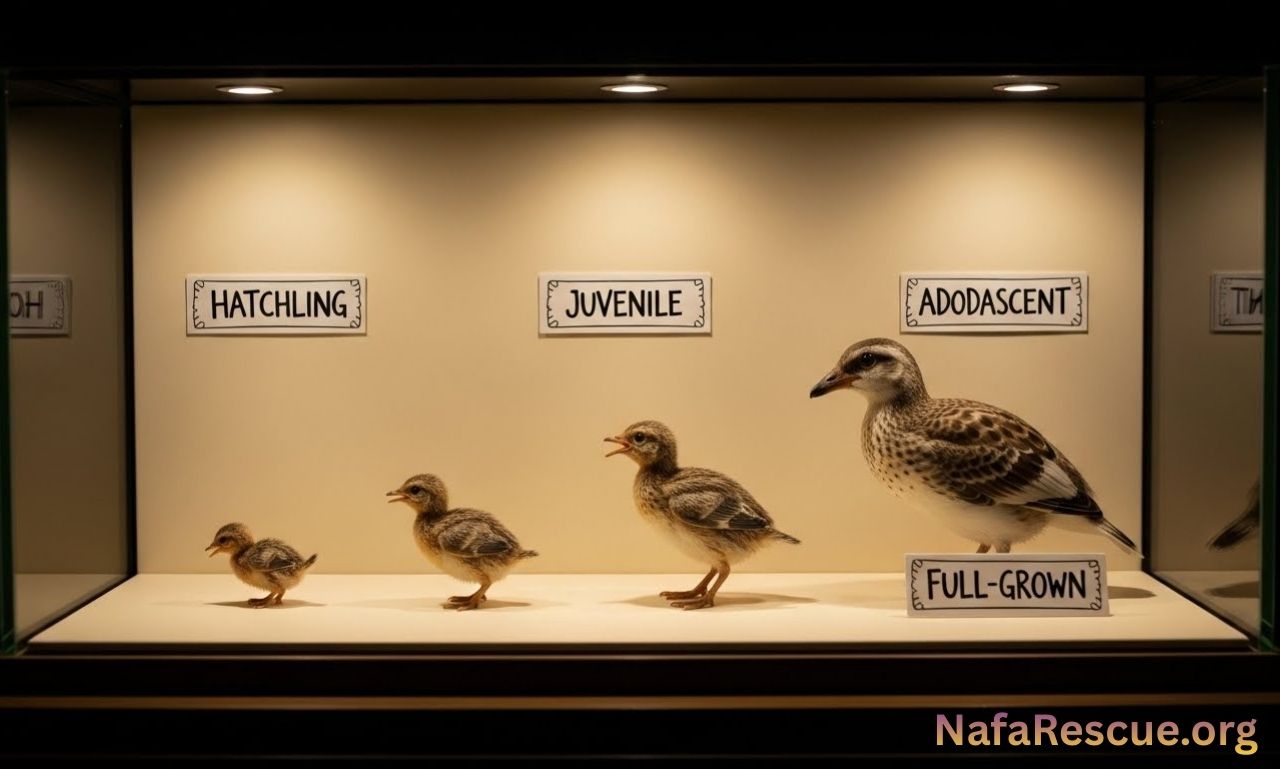
Introduction to Crocolini and its Habitat
Welcome to the fascinating world of Crocolinis! These remarkable creatures, often mistaken for their larger relatives, are a marvel of nature. Found in lush wetlands and vibrant riversides, Crocolinis thrive in diverse habitats across tropical regions. With their captivating life cycle—from egg to full-grown wonder—these animals offer insights into survival and adaptation.
Join us as we explore the enchanting journey of a Crocolini, uncovering its growth stages and unique characteristics along the way. Whether you’re an avid wildlife enthusiast or simply curious about these incredible reptiles, there’s something here for everyone. Let’s dive into the life story of the Crocolini!
The Life Cycle of a Crocolini Egg
The journey of a Crocolini begins with its egg, nestled in warm, sandy shores or hidden among dense vegetation. These eggs are often laid in clutches, carefully placed by the mother to ensure protection from predators.
Each egg has a tough shell that provides security while allowing moisture and air to reach the developing embryo inside. As days pass, warmth from the sun incubates these little wonders.
After several weeks, it’s time for the hatchlings to emerge. They utilize a specialized tooth called an “egg tooth” to break through their shells. This moment is crucial; instinctively, they must scurry towards water as soon as they make their entrance into this vibrant world.
The transition from egg to life sets off an incredible adventure filled with challenges and growth waiting just beyond the shoreline. Each Crocolini carries within it the promise of transformation amid nature’s embrace.
From Hatchling to Toddler: Growth and Development
The journey of a Crocolini begins as a tiny hatchling, emerging from its egg after an incubation period of about 70 days. These little creatures are born with soft shells and limited mobility. At this stage, they are vulnerable but equipped with instinctual behaviors that guide them to water.
Once in the safety of their aquatic habitat, these young ones become more adventurous. They start exploring their surroundings, practicing swimming skills essential for survival. Growth occurs rapidly during this phase; within weeks, they can double in size.
Their diet primarily consists of small insects and fish. This protein-rich food aids in developing strong muscles and robust scales. As they grow into toddlers, their colors become more vibrant—a beautiful mix that serves both camouflage and attraction to potential mates later on.
Social interactions also begin now. Young Crocolinis engage in playful behavior that fosters bonds among peers while honing hunting techniques vital for adulthood.
Adolescence and Maturity: Changes in Behavior and Appearance
During adolescence, Crocolinis undergo significant physical and behavioral transformations. Their once-small frames begin to stretch into more elongated forms, showcasing a blend of strength and agility.
As they mature, their colors shift too. Bright hues fade slightly into deeper tones that offer better camouflage in their natural habitats. This change not only enhances their survival skills but also signals readiness for adulthood.
Behaviorally, adolescent Crocolinis become more independent. They explore beyond the confines of their nesting areas and start establishing territories. Social interactions grow complex as they learn to communicate through various vocalizations and body language.
Dominance displays emerge among peers as they compete for resources and mates. This period is critical for developing social hierarchies that will influence future encounters within their species.
Full-Grown Wonder: Characteristics and Adaptations
The Crocolini, once a hatchling, transforms into a remarkable creature. Full-grown adults can reach impressive lengths and boast powerful bodies designed for their habitats. Their coloration ranges from deep greens to earthy browns, allowing them to blend seamlessly with their surroundings.
Adaptations are key to their survival. Their tough skin protects against predators and harsh environments alike. Equipped with sharp teeth and strong jaws, they are adept hunters. The Crocolini’s ability to regulate body temperature helps it thrive in varying climates.
Social behaviors emerge as they mature. While often solitary, these wonders can exhibit fascinating group dynamics during mating seasons or when basking under the sun together. Each individual develops unique traits that enhance its fitness within the ecosystem.
Their keen eyesight and acute hearing make them formidable opponents in both land and water settings, showcasing nature’s artistry in evolution.
Threats to the Crocolini Population
The Crocolini faces numerous threats that jeopardize its survival. Habitat loss is one of the most pressing issues. As wetlands and rivers are drained for agriculture or urban development, these creatures lose their natural homes.
Pollution also plays a significant role in endangering this species. Contaminants from industrial activities seep into waterways, affecting food sources and breeding grounds. The impact on health can be devastating for hatchlings and adults alike.
Additionally, poaching poses another serious risk. Crocolinis are hunted for their skins and meat, which diminishes population numbers drastically. Illegal trade continues to flourish despite regulations aimed at protecting them.
Climate change cannot be overlooked either. Altered weather patterns disrupt migration routes and nesting sites, forcing Crocolinis to adapt rapidly or perish in unfavorable environments. Each of these factors contributes to an uncertain future for this remarkable species.
Conservation Efforts for the Future of Crocolinis
Conservation efforts for Crocolinis are crucial to ensuring their survival. Organizations worldwide are stepping up to protect their habitats, focusing on wetlands and river ecosystems where these creatures thrive.
Community education plays a vital role in this process. Local populations learn about the ecological importance of Crocolinis, fostering a sense of responsibility toward their preservation. Workshops and outreach programs help highlight how every individual can contribute.
Research initiatives also support conservation. Scientists study Crocolini behavior and breeding patterns, gathering data that informs policy decisions aimed at habitat protection.
Collaborative projects between governments and NGOs further enhance these efforts. By pooling resources, they can implement more effective conservation strategies across borders.
Every little step counts when it comes to safeguarding the future of Crocolinis. Protecting them ensures we preserve not just a species but an entire ecosystem teeming with life.
Appreciating the Beauty of Nature’s Cycles
Nature’s cycles are mesmerizing. Each phase tells a story of resilience and transformation.
When we observe the crocolini, we witness this journey firsthand. From the delicate egg to a formidable adult, every step is filled with wonder. The intricate processes involved remind us of life’s interconnectedness.
Seasons change, bringing new challenges and opportunities for growth. Each stage in a crocolini’s life highlights adaptability and survival instincts that have evolved over millennia.
These experiences echo throughout ecosystems, showing how one species affects others around it. In appreciating these cycles, we gain insight into our own lives too.
As we explore the beauty inherent in nature’s rhythms, there’s much to learn about balance and harmony within our world—a reminder of what it means to coexist peacefully with all living things.
Conclusion
The journey of the Crocolini from a fragile egg to a majestic creature is nothing short of extraordinary. Each stage in their life cycle reveals fascinating adaptations and behaviors that highlight their resilience. As they grow, these incredible beings not only capture our imagination but also play vital roles in their ecosystems.
However, as we explore the beauty of the Crocolini’s existence, it’s essential to recognize the challenges they face. Habitat destruction and climate change threaten their survival, making conservation efforts critical. Protecting them ensures future generations can appreciate these wonders.
Nature’s cycles remind us of our connection to all living things. By understanding and respecting creatures like the Crocolini, we enrich our lives and contribute positively to the environment. Embracing this knowledge fosters a deeper appreciation for biodiversity and encourages us all to advocate for sustainable practices that benefit wildlife.