










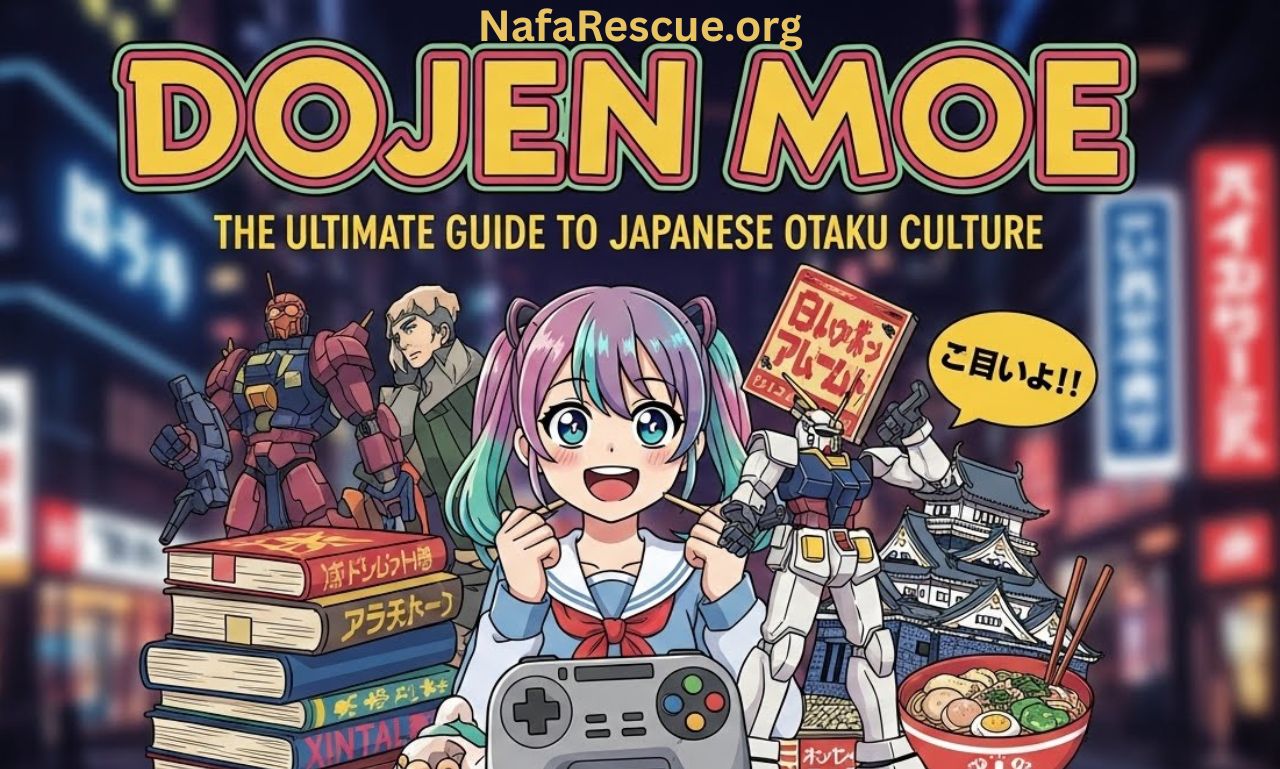
Introduction to Dojen Moe and the Otaku Culture
Welcome to the vibrant world of Dojen Moe and Japanese otaku culture! If you’ve ever found yourself captivated by anime, manga, or even the colorful art of cosplay, you’re already on your way to understanding this fascinating subculture. The term “otaku” often sparks curiosity and debate — some view it as a badge of honor while others carry misconceptions about its meaning.
Dojen Moe encapsulates everything that makes otaku culture unique: passion, creativity, and an unwavering love for all things nerdy. From the bustling streets of Akihabara to international conventions celebrating fandoms worldwide, there’s so much more than meets the eye when it comes to being an otaku.
Join us as we dive deep into the history, characteristics, and nuances of this dynamic community. Whether you’re a seasoned enthusiast or just curious about what makes this culture tick, there’s something here for everyone who dares to explore!
History of Otaku Culture in Japan
Otaku culture in Japan has roots that trace back to the 1970s. Initially, it referred to enthusiastic fans of anime and manga. The term “otaku” was often used with a negative connotation, suggesting obsessive behavior.
By the late 1980s and early 1990s, this perception began to shift. As anime gained international popularity, so did acceptance of otaku as a vibrant community. Events like Comiket—an enormous comic market—became cultural hubs for fans.
The internet revolution further transformed otaku culture in the 2000s. Online forums allowed enthusiasts worldwide to connect over shared interests. This digital age brought new life into fandom through fan art and fan fiction.
Today’s otaku embrace various forms of media, from video games to light novels. The evolution reflects societal shifts in Japan, showcasing how passion can unite diverse individuals across generations.
Common Misconceptions about Otaku Culture
Many people view otaku culture as merely a fixation on anime and manga. This narrow perspective overlooks the rich tapestry of interests within the community.
Another common misconception is that all otaku are socially awkward or introverted. While some may fit this stereotype, many are active participants in social events, conventions, and online communities.
There’s also a belief that otaku only engage with their hobbies in isolation. In reality, they often collaborate on projects like fan art, fan fiction, and even game development.
Additionally, not all aspects of otaku culture revolve around fantasy or escapism. Many enthusiasts appreciate storytelling techniques and artistic expressions across various genres.
It’s essential to recognize that being an otaku isn’t synonymous with obsession or unhealthy behavior. For many individuals, it represents a genuine passion for diverse forms of entertainment and creativity.
Characteristics of an Otaku
An otaku is often defined by their deep passion for anime, manga, and video games. This enthusiasm goes beyond casual enjoyment; it’s a lifestyle.
Many otaku dedicate countless hours to binge-watching series or collecting merchandise. Their rooms may overflow with figurines, posters, and collectibles that reflect their favorite characters or shows.
Socially, otaku can be introverted but often find community through online forums or conventions. They appreciate the chance to connect with like-minded individuals who share their interests.
A notable characteristic is their ability to engage in niche discussions about plotlines, character development, and artistic styles. These conversations can become intense as they dissect every detail of their beloved content.
Fashion plays a role too. Many embrace unique styles influenced by the characters they admire or the subcultures within the otaku realm.
Popular Anime and Manga Series in Japan
Anime and manga form the backbone of otaku culture in Japan, captivating audiences of all ages. Series like “Naruto” and “One Piece” have transcended generations, becoming cultural phenomena that inspire merchandise and fan art.
“Attack on Titan” redefined storytelling with its gripping plot twists and intense character development. Fans are drawn into a world where humanity fights for survival against colossal enemies.
For those who appreciate slice-of-life narratives, “Your Lie in April” beautifully combines music with poignant themes of love and loss. Its emotional depth resonates widely among viewers.
Meanwhile, classics such as “Dragon Ball Z” paved the way for action-packed anime, influencing countless titles that followed. Each series contributes to a rich tapestry that celebrates creativity while offering escapism from daily life.
These stories not only entertain but also foster community through discussions at conventions or online forums dedicated to their fandoms.
Cosplay and its Role in Otaku Culture
Cosplay is more than just dressing up; it’s a vibrant expression of fandom within otaku culture. This art form allows fans to embody their favorite characters from anime, manga, and video games.
The community thrives on creativity and craftsmanship. Many cosplayers spend countless hours perfecting costumes, ensuring every detail mirrors the original design. This dedication showcases not only talent but also deep appreciation for the source material.
Events like conventions provide a platform for cosplayers to connect with others who share similar passions. It’s here that friendships blossom, often fueled by shared interests in specific series or genres.
Moreover, cosplay transcends borders—it’s a global phenomenon that brings people together regardless of language or background. From local meet-ups to international competitions, the spirit of camaraderie fuels this unique aspect of otaku life.
How Technology has Influenced Otaku Culture
Technology has dramatically transformed otaku culture in Japan. The rise of the internet has made anime and manga more accessible than ever before.
Streaming platforms allow fans to watch their favorite series anytime, anywhere. This convenience fosters a global community that shares passions across borders.
Social media plays a crucial role too. Platforms like Twitter and Instagram enable fans to showcase their art, cosplay, and fandoms instantly. Engagement is at an all-time high as enthusiasts connect over shared interests.
Virtual reality offers immersive experiences for fans wanting deeper engagement with their beloved characters. Events now leverage tech through live streams and online conventions, creating interactive spaces even during challenging times.
Mobile apps dedicated to tracking series or connecting with fellow otaku have become essentials for many. These innovations are reshaping how communities form, how content is consumed, and how lives intertwine within this vibrant culture.
Controversies Surrounding Otaku Culture
Controversies often swirl around otaku culture, primarily due to its portrayal in media. Critics highlight the obsession that some fans develop towards anime and manga characters. This intense fixation can lead to social isolation or even unhealthy behaviors.
Another contentious topic is the representation of women in various series. Many argue that certain character designs perpetuate stereotypes or objectification. This has sparked debates about gender roles within the community.
Additionally, there are concerns regarding how otaku culture intersects with mental health issues. Some individuals may retreat into fantasy worlds as a coping mechanism for real-life struggles, leading others to question whether this escapism is healthy.
Events like Comiket have faced scrutiny over inappropriate content being sold openly. These controversies contribute to misunderstandings about what it means to be part of the otaku community and create divisions among fans themselves.
Embracing the Otaku Lifestyle: Tips for Non-Japanese
Diving into the otaku lifestyle can be thrilling. Start by immersing yourself in anime and manga. Explore various genres to find what resonates with you.
Join online communities or local meetups. Engaging with fellow fans fosters connections and deepens your understanding of this vibrant culture.
Try your hand at cosplay, even if it’s just for fun. Dressing as a favorite character can boost confidence and enhance your appreciation for the art form.
Learn some Japanese phrases related to anime or gaming. It adds authenticity to your experience and shows respect for the culture.
Visit conventions when possible. These events are hubs of creativity and passion where you’ll discover new interests while meeting like-minded individuals who share your enthusiasm!
Conclusion
Dojen Moe encapsulates the vibrant essence of Japanese otaku culture, offering a unique glimpse into a world where passion meets creativity. From its rich history to the intricate nuances of fandom expressions, there is so much for both newcomers and seasoned enthusiasts to explore.
Understanding otaku culture means recognizing its diversity—whether through anime, manga, or cosplay. It’s more than just hobbies; it’s a lifestyle that fosters community and connection among people who share similar interests. While it may carry some stigma and misconceptions, embracing this subculture can lead to new friendships and experiences.
As technology continues to evolve, so too does the way fans engage with their beloved series. Virtual conventions, streaming services, and social media have transformed how communities interact globally.
For those looking to dive deeper into dojen moe or simply embrace aspects of this fascinating culture without being in Japan itself: immerse yourself in anime series you’ve never tried before or attend local conventions when possible.
Every detail contributes to the beautiful tapestry that is otaku life—a blend of art forms that tell stories resonating across generations yet remain ever-relevant today. Whether you’re donning your favorite character’s costume or discussing theories online with fellow fans from around the world—the journey within dojen moe awaits you at every turn.