










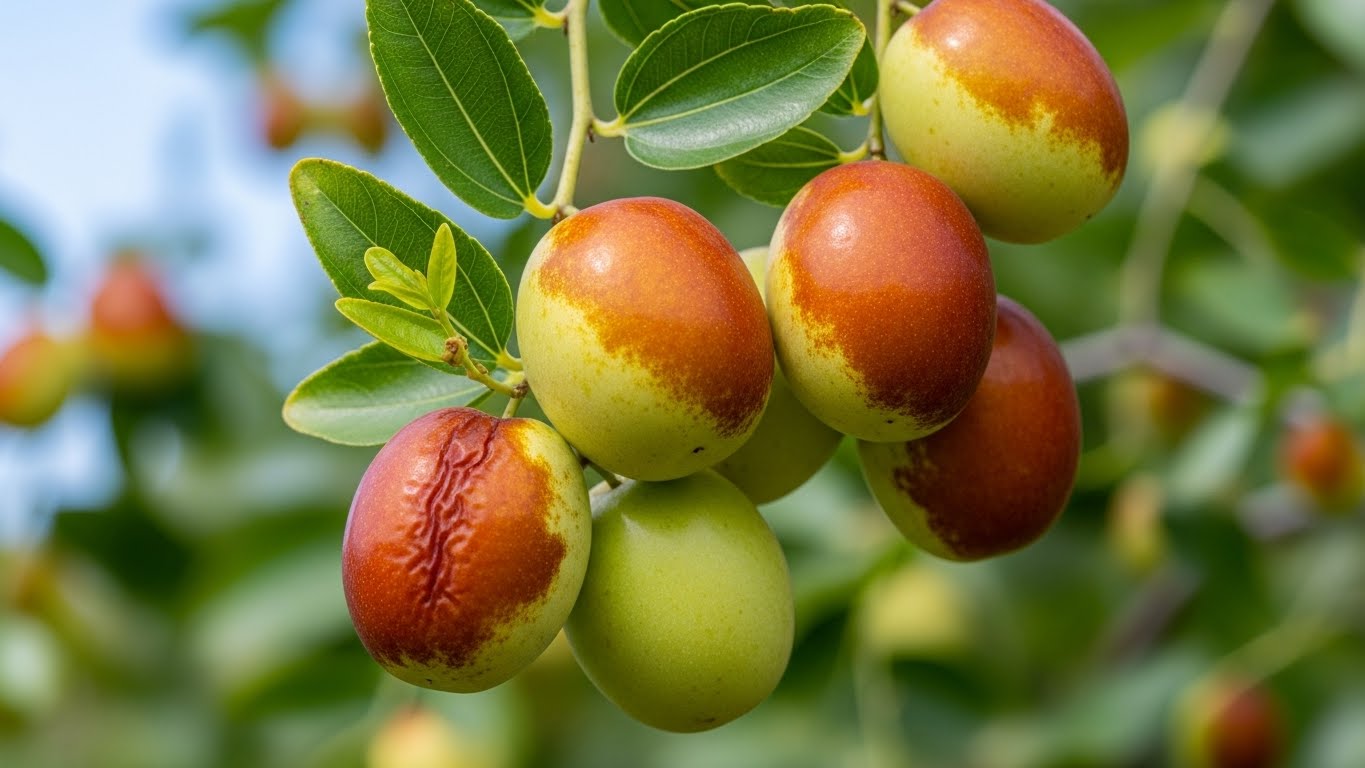
Nestled in the heart of nature lies Žižole, a remarkable entity that plays an indispensable role in our ecosystem. This little-known yet crucial feature offers more than meets the eye. Its ecological significance stretches far beyond its humble appearance, harboring benefits that are vital for both wildlife and human well-being.
As we delve into the world of Žižole, it’s essential to understand what it is and why it matters so much. From providing habitats for countless species to acting as a natural filter for air and water quality, Žižole holds secrets that can help sustain life on our planet. Yet this valuable resource faces numerous threats that jeopardize its existence.
Join us as we explore the multifaceted advantages of Žižole, examine the challenges it encounters, and uncover how conservation efforts are underway to protect this invaluable treasure. Together, we can learn about our collective responsibility towards preserving not just Žižole but also the environment at large.
What Is Žižole
Žižole is a remarkable plant species known for its distinct features and ecological importance. Found primarily in specific regions, this perennial herb thrives in various habitats, showcasing adaptability to diverse environmental conditions.
Characterized by its vibrant flowers and lush foliage, Žižole plays a crucial role in local ecosystems. It attracts pollinators like bees and butterflies, fostering biodiversity. This interaction supports the growth of other plants, creating a balanced environment.
Beyond its visual appeal, Žižole contributes to soil health as well. Its root system helps prevent erosion while enhancing nutrient retention. Through these processes, it aids in maintaining the overall integrity of natural landscapes.
Culturally significant too, Žižole often appears in traditional practices and folklore. Its presence embodies not just beauty but also the interconnectedness of life within its ecosystem. Understanding this unique plant reveals much about our relationship with nature.
The Benefits of Žižole in the Environment
Žižole plays a crucial role in maintaining ecological balance. These plants are known for their ability to improve soil quality. Their deep roots help prevent erosion, allowing nutrients to remain within the earth.
Moreover, Žižole contributes to biodiversity. They provide habitat and food sources for various species, from insects to larger wildlife. This support of local ecosystems strengthens overall resilience against environmental changes.
These plants also assist in carbon sequestration. By absorbing carbon dioxide from the atmosphere, they help mitigate climate change effects.
Additionally, Žižole can improve water retention in arid regions. Their presence promotes healthier water cycles essential for both flora and fauna survival.
Their vibrant blossoms attract pollinators like bees and butterflies, fostering an environment rich with life and activity that benefits everyone involved in the ecosystem.
Threats to Žižole and their Conservation Status
Žižole faces a multitude of threats that jeopardize its ecological balance. Habitat loss is among the most pressing issues, primarily driven by urbanization and agricultural expansion. These activities fragment their natural environments, making it difficult for Žižole populations to thrive.
Pollution also poses significant risks. Contaminants in soil and water can disrupt the delicate ecosystems that Žižole inhabit. Chemical runoff from farms often seeps into waterways, affecting both plant life and animal species reliant on clean resources.
Climate change further exacerbates these challenges. Altered weather patterns impact food availability and breeding cycles for Žižole. Rising temperatures may shift habitats beyond their reach or create unsuitable living conditions.
Conservation status varies regionally; while some areas implement protective measures, others lack effective regulations. Without consistent efforts across all regions where Žižole exist, their future remains uncertain amid these growing threats.
Efforts and Initiatives for Žižole Conservation
Conserving Žižole requires a collaborative approach. Various organizations and local communities have stepped up to safeguard this vital species.
One notable initiative is the reforestation projects aimed at restoring natural habitats. These efforts not only support Žižole but also enhance biodiversity in the region.
Educational programs play a significant role as well. Schools and community groups participate in awareness campaigns, emphasizing the ecological importance of Žižole. This fosters a sense of responsibility among younger generations.
Research plays an integral part too. Scientists study Žižole’s behavior and habitat needs, providing valuable data that informs conservation strategies.
Funding from both governmental and non-governmental entities has increased significantly. These resources help implement effective conservation measures on the ground, ensuring that Žižole can thrive in its natural environment for years to come.
How Individuals Can Help Protect Žižole
Every individual has a role in protecting Žižole. Simple actions can make a significant impact.
Start by educating yourself and others about the importance of this unique species. Share insights on social media or during community gatherings to raise awareness.
Participate in local conservation efforts, such as tree planting days or clean-up drives. These activities foster teamwork while promoting healthy habitats for Žižole.
Support organizations dedicated to preserving ecological balance where Žižole thrives. Donations or volunteering time can help these groups extend their reach and effectiveness.
Choose sustainable products that minimize environmental harm. Opting for eco-friendly options reduces pressure on natural habitats.
Advocate for policies that protect biodiversity and promote conservation initiatives within your community. Your voice matters in shaping future decisions regarding environmental care and protection efforts related to Žižole.
Future Prospects for Žižole and its Impact on the Environment
The future of Žižole holds promising potential for ecological balance. As awareness grows about its unique attributes, conservation efforts will likely gain momentum.
Innovative agricultural practices may emerge, embracing sustainable methods that incorporate Žižole into farming systems. This could enhance biodiversity while boosting local economies.
Furthermore, ongoing research may unveil additional benefits of Žižole in carbon sequestration and soil health. Such findings can guide policies aimed at environmental preservation.
Community engagement will play a pivotal role too. As more people recognize the importance of this species, grassroots initiatives might flourish, leading to localized conservation projects that protect habitats effectively.
The trajectory of Žižole depends on collective actions and commitment to preserving our natural heritage. The synergy between nature and human intervention can shape healthier ecosystems for generations to come.
Conclusion
Žižole plays a crucial role in sustaining our ecosystems. Its ecological significance cannot be overstated. The benefits it brings to the environment are vast, from supporting biodiversity to enhancing soil health.
However, threats loom large over Žižole’s survival. Habitat loss and climate change pose significant risks that need urgent attention. Conservation efforts are underway, showcasing a collective commitment to protecting this vital resource.
Individuals can also make a difference by advocating for sustainable practices and spreading awareness about the importance of Žižole. Every small action counts toward preserving these ecosystems.
Looking ahead, the future of Žižole hinges on our combined dedication to conservation initiatives and responsible environmental stewardship. By uniting efforts at both local and global levels, we can ensure that Žižole continues to thrive for generations to come. Protecting this unique aspect of nature is not just an obligation but an opportunity for positive impact on our planet’s well-being.