










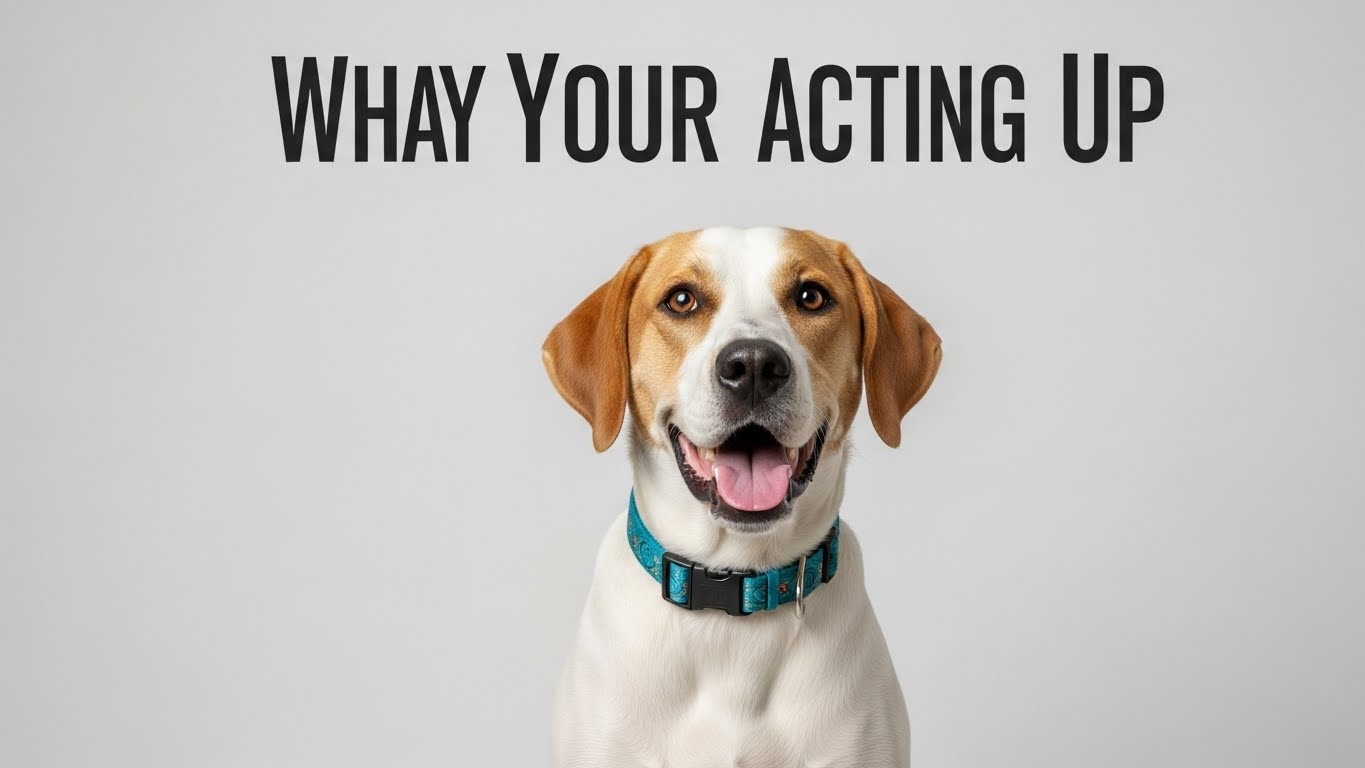
We all love our dogs. They are our confidants, our hiking buddies, and the first ones to greet us at the door with a wagging tail. But let’s be honest: sometimes, they can drive us absolutely crazy. Maybe it’s the constant barking at invisible squirrels, the way they drag you down the street during walks, or the “selective hearing” they develop the moment you say “come.”
If you’re feeling frustrated, you aren’t alone. Many dog owners in North Carolina struggle with behavioural issues that turn simple joys into daily stressors. But before you resign yourself to a life of chewed furniture and chaotic walks, it’s worth understanding why your dog is acting out—and realising that the solution might be closer than you think.
Finding quality dog training in Onslow County, NC, isn’t just about teaching your pup to sit or stay; it’s about bridging the communication gap between species. Let’s explore the root causes of common canine misbehaviours and how professional intervention can transform your relationship with your pet.
The “Bad Dog” Myth: Understanding Behaviour
There is a common misconception that some dogs are just “bad” or “stubborn.” In reality, dogs do what works for them. Their behaviour is a direct result of genetics, environment, and reinforcement history.
When a dog jumps on a guest, for instance, they aren’t being rude. They are seeking attention, and if they get it (even in the form of you pushing them down and saying “no!”), they’ve just been rewarded. The behaviour is reinforced, and the cycle continues.
Boredom and Excess Energy
A significant portion of behavioural issues stems from boredom. Dogs are intelligent, active creatures. If they don’t have a job to do or a way to burn off energy, they will create their own entertainment. Unfortunately for us, “entertainment” often looks like digging up the flowerbed, chewing on baseboards, or barking at passing cars.
Working breeds, in particular, need mental stimulation. If you have a shepherd, a retriever, or a terrier, a 10-minute walk around the block likely won’t cut it.
Anxiety and Fear
Aggression and reactivity often look like anger, but they are frequently rooted in fear. A dog lunging at another dog on a leash might feel trapped and defensive. Without proper socialisation or confidence-building, the world can be a scary place for a canine. Punishing this behaviour often makes it worse because it validates the dog’s fear.
Lack of Clarity
Sometimes, the problem is simply a language barrier. We expect our dogs to understand English, cultural norms, and household rules without ever clearly teaching them. We say “down” when we want them off the couch, but “down” also means “lie down” in obedience training. Inconsistency breeds confusion, and confusion leads to stress and misbehaviour.
The Impact of Environment
Where you live plays a huge role in your dog’s behaviour. Onslow County offers beautiful outdoor spaces, from the beaches to the parks in Jacksonville. However, these stimulating environments can be overwhelming for an untrained dog.
Taking an unruly dog to a public space can be a nightmare. You see other people enjoying a peaceful stroll with their well-behaved pets, while you are wrestling a 60-pound chaotic whirlwind at the end of a leash. This social pressure can lead to owners avoiding walks altogether, which only exacerbates the pent-up energy problem.
This is where professional guidance becomes essential. You need strategies that work in the real world, not just in your living room.
Why DIY Training Often Falls Short
Thanks to the internet, we have access to millions of dog training videos. While these resources can help teach basic tricks, they often fail to address complex behavioural issues.
Every dog is an individual. A technique that works wonders for a food-motivated Labrador might completely shut down a sensitive Border Collie. Furthermore, timing is everything in dog training. If you reward or correct your dog half a second too late, you might be reinforcing the wrong thing entirely.
DIY training also lacks an objective observer. It is hard to see your own mistakes when you are in the middle of a frustrating situation. A professional trainer offers a fresh perspective, identifying subtle cues in your dog’s body language and your own handling skills that you might be missing.
Finding the Right Support: Wild Child Dog Training
If you are looking for solutions, you need a trainer who understands behavioural science and offers personalised attention. This is where Wild Child Dog Training stands out.
Instead of a cookie-cutter approach, professional trainers assess the specific dynamic between you and your dog. They don’t just train the dog; they train you. They empower you with the tools to communicate effectively, set boundaries, and build a bond based on mutual respect and trust.
Real-World Results
Effective dog training in Onslow County, NC, needs to prepare you for local life. Whether you want to take your dog to a brewery, the beach, or just on a peaceful neighbourhood walk, the training needs to be proofed against distractions.
Wild Child Dog Training focuses on reliability. It’s one thing for a dog to obey a command in a quiet room with a treat in front of their nose. It’s entirely different for them to recall instantly when they spot a deer in the woods. Professional training bridges that gap, giving you the confidence that your dog will listen regardless of the environment.
Addressing the Root Cause
Rather than just suppressing symptoms, quality training addresses the emotional state of the dog. If a dog is reactive, trainers work on changing the dog’s association with the trigger. If a dog is destructive, they help you implement enrichment strategies to satisfy the dog’s natural drives.
This holistic approach leads to long-term success. You aren’t just putting a band-aid on a problem; you are nurturing a balanced, happy animal.
What to Expect from Professional Training
If you decide to seek help, knowing what to expect can ease the process. Here is typically how the journey unfolds:
- Evaluation: The trainer will observe your dog in their natural environment or at a facility to understand their temperament and the specific issues you are facing.
- Plan Development: Based on the evaluation, a customised training plan is created. This might involve private lessons, board-and-train programs, or group classes, depending on your goals.
- Foundation Work: You will learn the basics of marking behaviours, reward placement, and clear communication.
- Proofing: Once the dog understands the concepts, the trainer will help you practice in increasingly distracting environments to ensure reliability.
- Maintenance: Training is a lifestyle, not a one-time event. You will be given the tools to maintain your dog’s good behaviour for years to come.
It’s Never Too Late
Dog Training in Onslow County, NC proves that it is rarely too late to improve behaviour, whether you have a rambunctious puppy or an older dog set in their ways. Dogs are incredibly adaptable learners, and with patience, consistency, and the right guidance, even the most “wild child” can become a well-mannered, confident companion.
Don’t let frustration damage the bond you have with your pet. Reaching out for professional dog training in Onslow County, NC, is an investment in your dog’s safety and your own peace of mind. A harmonious household is possible, and it starts with understanding that your dog isn’t giving you a hard time—they’re having a hard time.
Help them understand what you need, and you will be amazed at the potential waiting to be unlocked.
Contact Info
Name: Wild Child Dog Training
Address: 491 Smith Rd, Maysville, NC 28555
Phone: (910) 378-9377
Website: https://wcdogtraining.com/
Email: training@wcdogtraining.com